Research
Divergence in sexual communication is a major driver of reproductive isolation and speciation in insects. My research investigates how complex chemical signals evolve, how they are genetically and biosynthetically constructed, and how changes in chemical composition translate into differences in mate choice and reproductive isolation.
Using parasitoid wasps of the genus Nasonia as a model system, I integrate behavioral assays, chemical analyses, and functional and evolutionary genetics to dissect the genetic basis of cuticular hydrocarbon (CHC)–mediated sexual communication.
(Weizhao’s PhD thesis cover)
Chemical basis underlying CHC-mediated sexual signaling
I investigate how chemical composition translates into sexual attractiveness and mate choice. Effective chemical signaling depends on both quantitative thresholds and specific structural features.
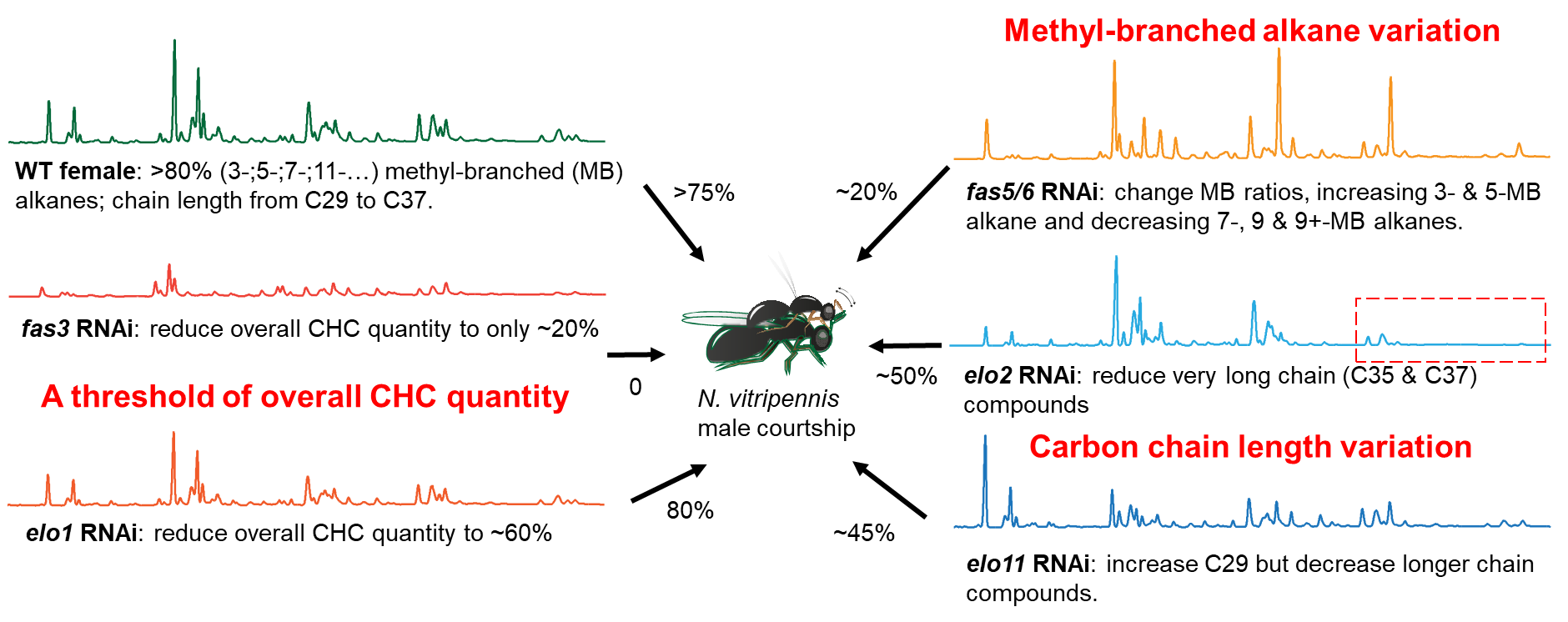
(Encoding of sexual attractiveness via overall quantity and structural variations in Nasonia.)
Biosynthetic and genetic basis of chemical diversity
I study how conserved metabolic pathways generate complex chemical phenotypes, focusing on functional specialization within fatty acid synthase and elongase gene families.
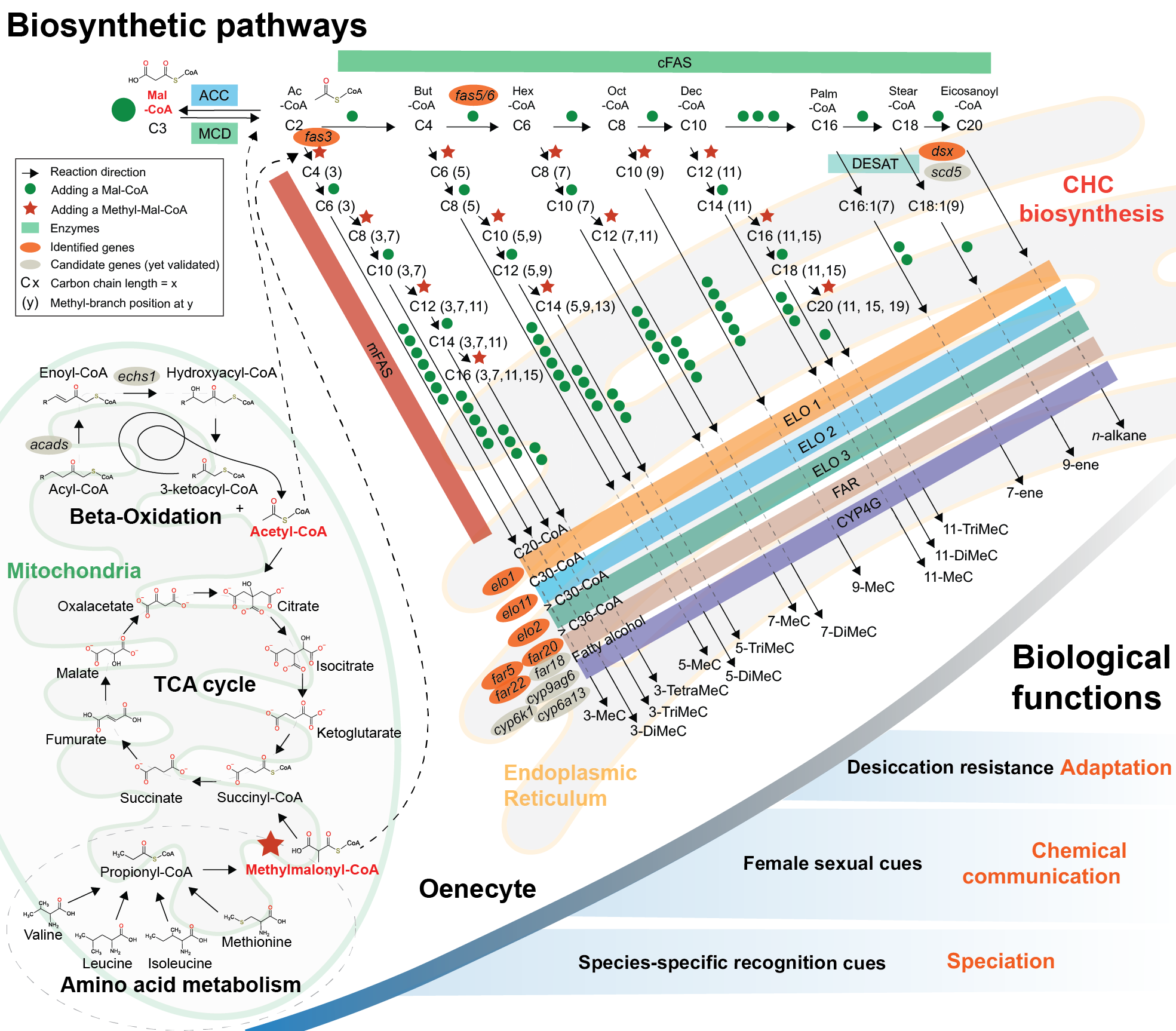
(A largely expanded CHC biosynthetic pathway from my thesis, from the evidence of gene family knockdown, regulatory networks and phenotypic interaction.)
Chemical divergence and reproductive isolation
I examine how subtle chemical shifts mediate species-specific mate preference and contribute to prezygotic isolation, integrating chemical profiling, behavioral assays, and genetic mapping.
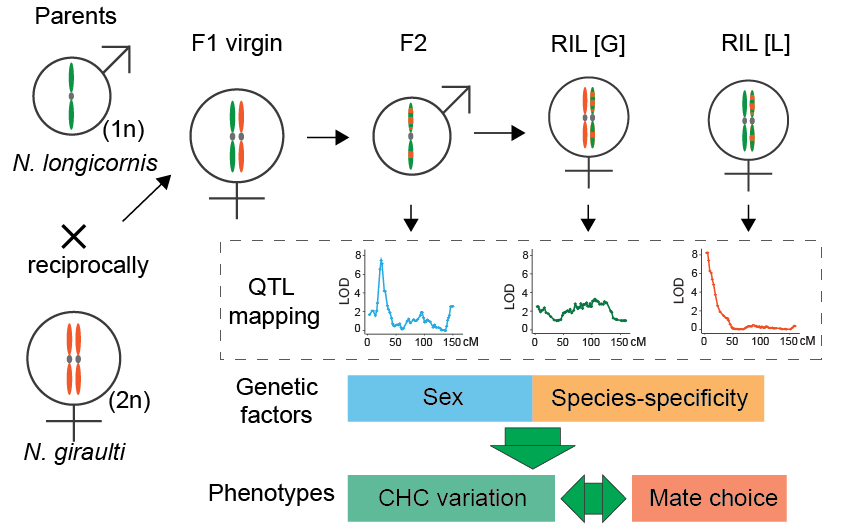
(Forward genetic approach to associate genetic, chemical and species specific mate preference.)
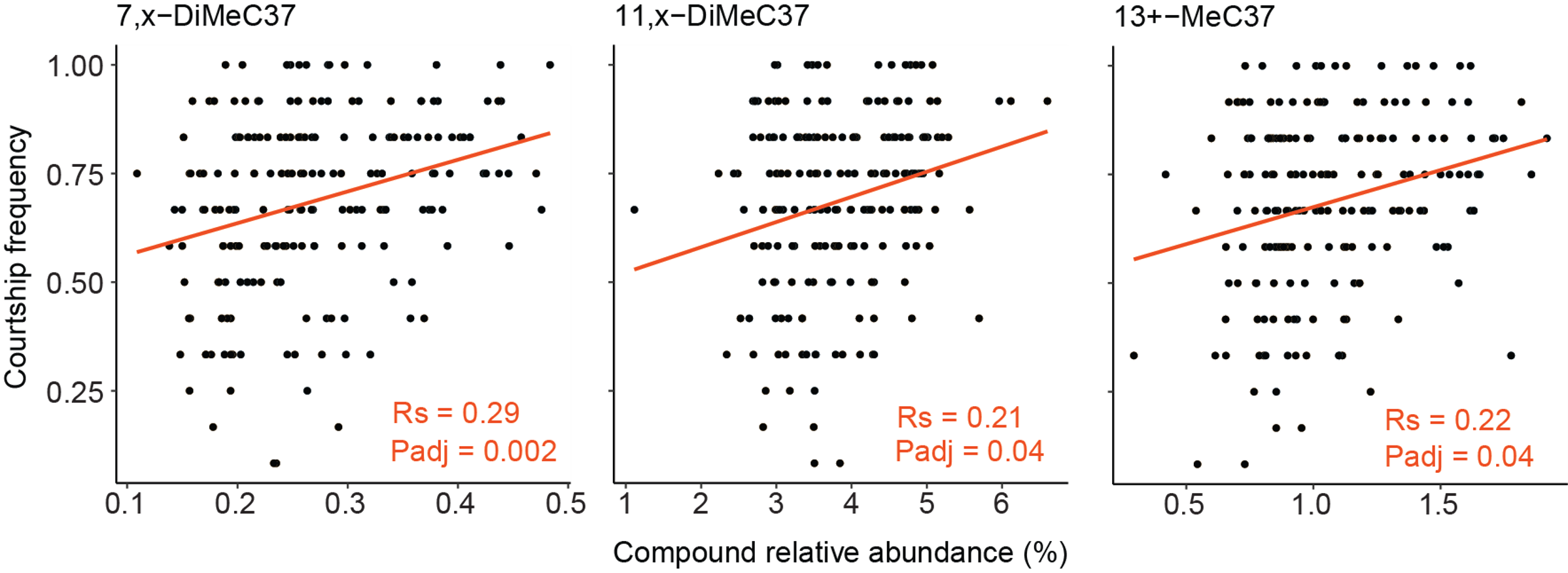
(Potential pheromone compounds for species-specific mate preference.)
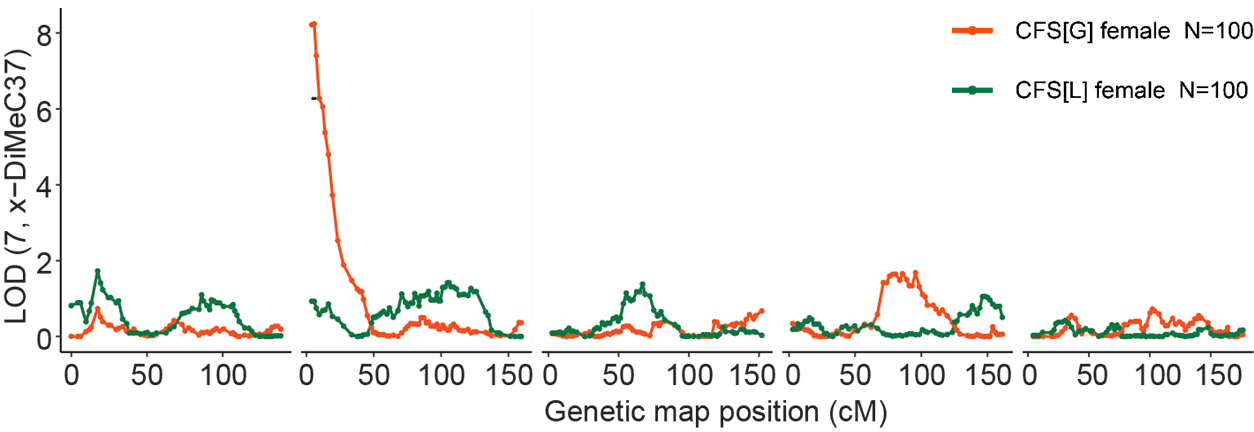
(Species-specific QTL for pheromone compound abundance.)